

Escape rooms have become one of the most talked-about classroom activities in recent years. Teachers love the engagement—but many quietly wonder:
Will this turn into chaos?
Will my students actually learn?
Will this work with struggling readers?
Those are valid questions. And the answer depends on how the escape room is designed and implemented.
When escape rooms are built intentionally, they don’t create disorder—they create focus, collaboration, and meaningful learning.
What I Hear from Teachers Again and Again
Teachers often share that they want learning to feel meaningful and engaging—but without sacrificing structure, clarity, or instructional time.
Many describe students who are:
- Tired of traditional worksheets and review packets
- Struggling to stay focused during independent work
- Hesitant readers who shut down when tasks feel overwhelming
- Capable of deeper thinking, but unsure how to access it
At the same time, teachers are balancing tight schedules, varied reading levels, and the pressure to make every lesson count. They don’t need more activities—they need better ways to use the time they already have.
This is where intentionally designed escape rooms can make a real difference.
Why Escape Rooms Work (When Done Right)
A well-designed escape room:
- Gives students a reason to reread and think carefully
- Encourages collaboration without competition overload
- Builds persistence and problem-solving skills
- Allows students to apply literacy, math, and content knowledge together
The key is structure. Escape rooms succeed when students know what to do, how to do it, and why it matters.
Non-Negotiables of an Effective Classroom Escape Room
In real classrooms, escape rooms must include:
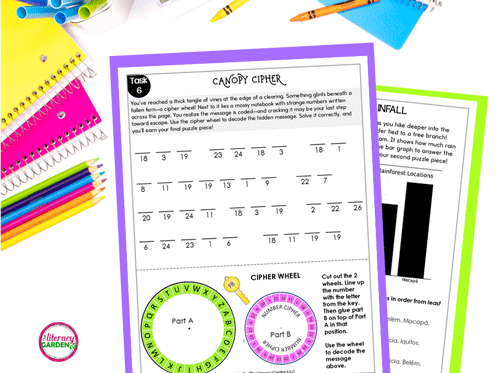
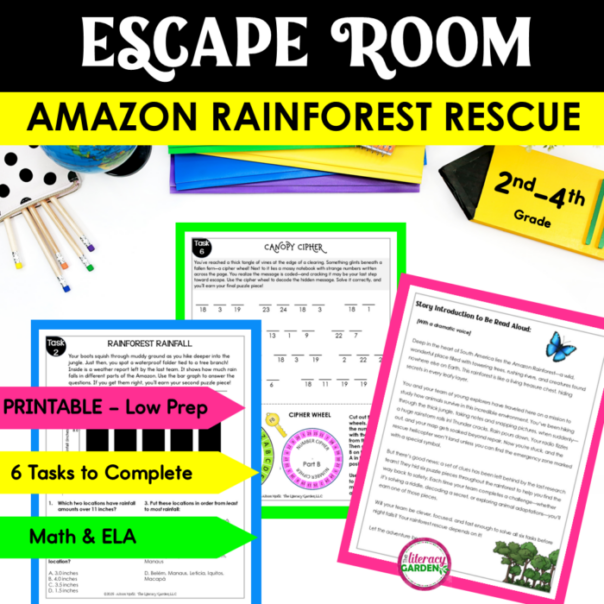
- A clear teacher-led intro story to frame the mission
- Tasks that can be solved independently by teams (no bottlenecks)
- Reading passages written at accessible grade levels
- Visual supports like charts, tables, and clues
- A system where students earn puzzle pieces from the teacher, not hunt around the room
These elements maintain a calm, focused, and productive learning environment.
How I Design Escape Rooms for Real Classrooms
Every escape room I create is built to:
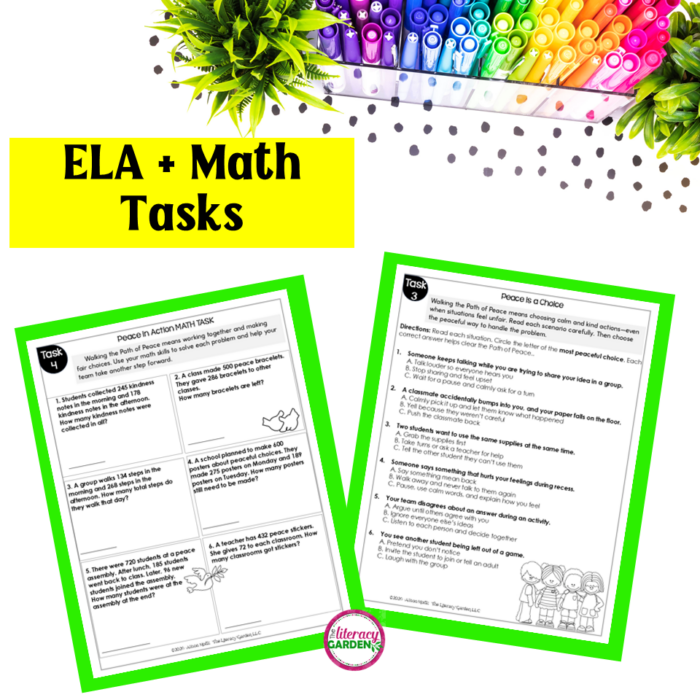
- Support literacy through purposeful reading
- Include multiple ways to access information
- Reduce prep and decision fatigue for teachers
- Work in a single class period or over two days
- Feel exciting without sacrificing structure
They are flexible enough for whole-group review, centers, enrichment, or test prep.
What Students Gain Beyond Engagement
Teachers often notice that students:
- Reread passages more carefully
- Talk through reasoning using academic language
- Support one another naturally
- Take pride in completing meaningful challenges
Escape rooms can be a place where struggling learners excel.
Final Thought
Escape rooms aren’t about noise, novelty, or “fun Friday.”
They are about intentional engagement, built on strong instruction.
When structure leads the way, learning follows.






No Comments